How TikTok Turned Unknown Creators Into Million-Dollar Brands Overnight | The Lockdown Millionaire
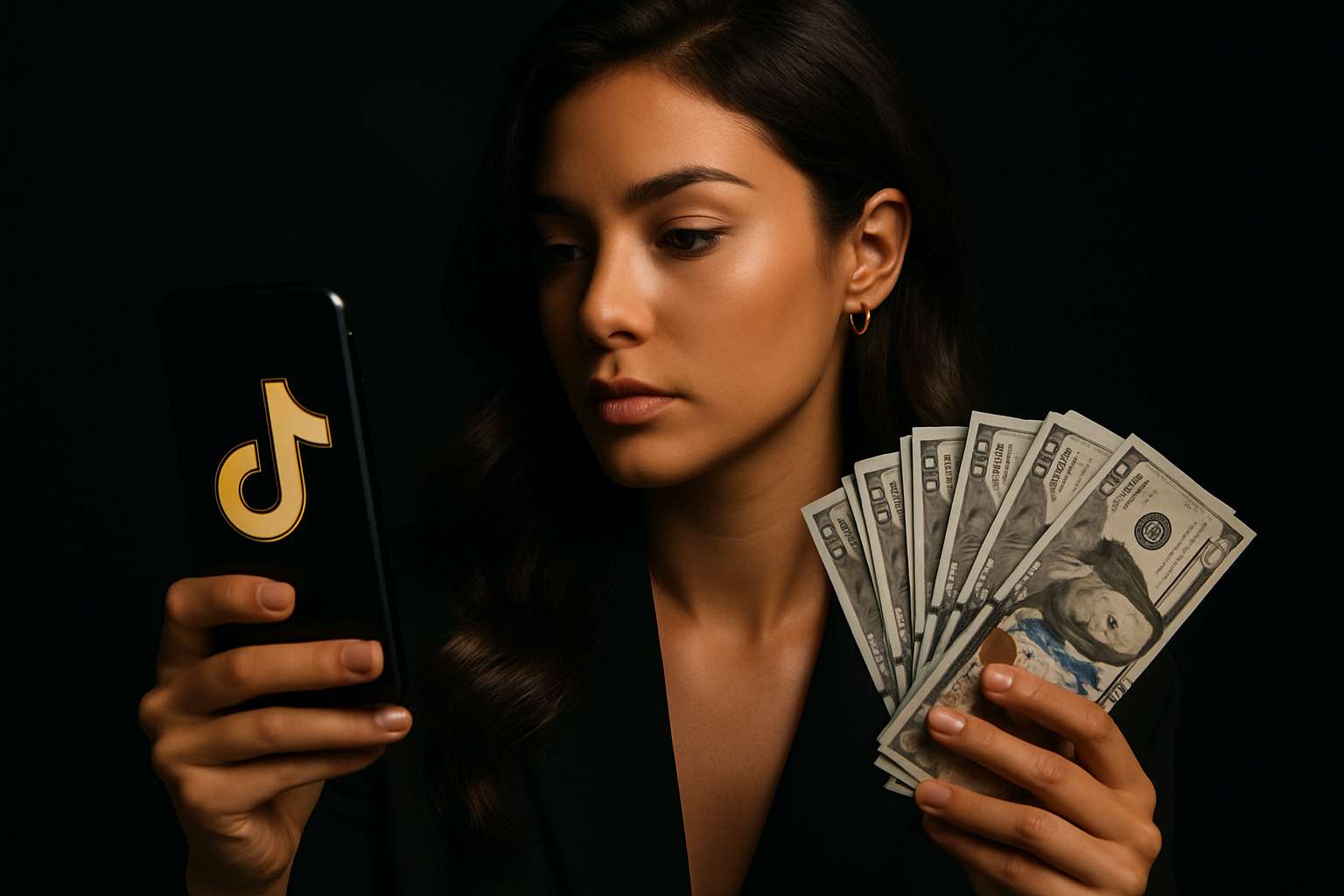
When TikTok exploded during the lockdown years, it did more than launch trends. It rewired how fame, influence, and money worked online. Suddenly, ordinary people discovered they could monetize every second of their content. A 15-second clip was no longer just entertainment—it could be the top of a sales funnel, a brand ad, an audition tape, and a customer acquisition engine all at once.
That was the real revolution. TikTok was never just about dancing, lip-syncing, or viral jokes. It became a machine for turning attention into income. Unknown creators built audiences from scratch, sold merchandise, pushed traffic to online stores, earned affiliate commissions, and landed major brand deals—often without any traditional industry connections. No agents. No gatekeepers. Just creativity, consistency, and timing.
The Platform That Made Fame Feel Instant
Before TikTok, becoming famous online often felt slow, crowded, and heavily filtered by existing audiences. On most platforms, growth depended on already knowing someone, getting featured, or spending years building momentum. TikTok changed that with an algorithm that rewarded engaging content, not just established names.
That shift mattered because it gave normal people a real shot. A creator could post from a bedroom, a kitchen, or a parked car and reach millions overnight. If the content connected, the audience came. And once the audience came, the money followed.
This was the moment creators realized they weren’t just posting content. They were building distribution. Every view had value. Every follow had future earning potential. Every viral clip could become a business asset.
How Creators Monetized Every Second
The biggest winners on TikTok understood one simple truth: attention is only the first step. The real money came from what they did with that attention next.
1. Brand deals
As creators built loyal audiences, brands rushed in. Companies wanted access to engaged viewers who trusted the person on screen more than a polished commercial. Sponsored posts, product placements, ambassador partnerships, and long-term campaigns quickly became major revenue streams.
2. Merchandise
Creators no longer needed a record label, TV network, or retail chain to sell products. If people loved the personality, they bought the hoodie, the T-shirt, the phone case, or the signature product line. Merch became one of the fastest ways to turn fandom into cash flow.
3. Affiliate marketing
Many creators earned commissions by linking products they used, reviewed, or casually featured in their videos. A single viral recommendation could generate thousands of clicks and meaningful sales. TikTok didn’t just create influencers—it created performance marketers with personality.
4. eCommerce traffic
Some of the smartest creators used TikTok as a top-of-funnel traffic source for their own online businesses. Viral product videos sent viewers directly to Shopify stores, dropshipping pages, and niche product sites. In many cases, simple demonstration videos converted better than expensive ad campaigns.
5. Personal brand expansion
Once a creator had an audience, opportunities multiplied. They could launch podcasts, courses, subscription communities, appearances, licensing deals, and media spin-offs. TikTok was often just the spark. The brand was the fire that followed.
Charli D’Amelio: From Viral Dances to a Multi-Million-Dollar Empire
Few creators represent the TikTok boom better than Charli D’Amelio. She became one of the platform’s biggest breakout stars during 2020 and 2021, rising to global fame through viral dance videos and a likable, relatable presence. She wasn’t presented as an unreachable celebrity. She felt like someone viewers could know—and that made her magnetic.
Her growth was explosive. As she became one of the most-followed creators on the platform, her influence quickly expanded far beyond short-form videos. Major brand deals followed. Merchandise launches followed. Then came mainstream media opportunities, including her own reality show.
What makes Charli’s rise so important from a business perspective is this: TikTok exposure became the foundation of a full-scale commercial brand. She didn’t just go viral. She converted visibility into a multi-million-dollar empire. That is the exact playbook lockdown-era creators were chasing.
Khaby Lame: Proof That Simplicity Sells
If Charli showed the power of mass appeal, Khaby Lame proved that TikTok rewards clarity and universality. His silent reaction videos became instantly recognizable around the world. He mocked absurdly overcomplicated life hacks using nothing but deadpan expressions and simple gestures.
That format was genius because it crossed language barriers. He didn’t need long explanations, expensive production, or scripted dialogue. The content was easy to understand, easy to share, and endlessly repeatable. In the attention economy, simplicity often wins.
Khaby’s rise showed that a creator doesn’t need to fit a traditional mold to build a massive business. Without saying a word, he became one of the most-followed creators globally, built a multi-million-dollar brand, and evolved into an international icon of internet comedy.
His success underlined a core truth of TikTok: the platform rewarded distinctive identity over polished perfection. If your angle was strong enough, the audience would come.
The Lockdown eCommerce Surge
At the same time creators were building audiences, online shopping surged. Lockdowns changed consumer behavior fast. People were stuck at home, spending more time on their phones, buying out of convenience, curiosity, and often plain boredom. That shift created a perfect environment for TikTok-fueled eCommerce.
Thousands of people launched online stores during this period. Some built branded product businesses. Others used dropshipping models to test demand quickly without holding inventory. TikTok became the traffic engine that made it all move.
A simple product video could do what expensive digital ads often failed to do: stop the scroll, create curiosity, and drive impulse purchases. A cleaning gadget, beauty tool, kitchen item, or problem-solving product could go from unknown to sold out in a matter of days if the content hit the algorithm right.
This was the magic combination:
- Low barrier to entry: creators and store owners could start with minimal overhead.
- Massive organic reach: one video could reach millions without a huge ad budget.
- Built-in product demonstration: TikTok’s format made showing benefits fast and visual.
- Fast buying behavior: viewers often moved from interest to purchase in minutes.
For many entrepreneurs, TikTok was not just a social media app. It was a customer acquisition channel disguised as entertainment.
Why Unknown People Won Big
The most disruptive part of the TikTok era was not that celebrities made money. It was that unknown people did. The platform broke the old model where visibility had to be granted by institutions. Instead, creators could earn reach directly from the market.
That meant:
- you didn’t need a studio to get seen,
- you didn’t need a publisher to build an audience,
- you didn’t need a retail chain to sell products,
- and you didn’t need permission to become a brand.
This was especially powerful during lockdown, when millions were reassessing work, income, and opportunity. People realized they could create content from home, test products from home, and make money from home. TikTok gave the power back to the people—and the people made bank.
The Real Business Lesson Behind the Viral Era
The biggest lesson from TikTok’s rise is not simply that viral fame is possible. It’s that content became infrastructure. A video was no longer just a post. It was an asset with monetization potential built into it.
The smartest creators treated content like leverage. One clip could:
- grow an audience,
- build credibility,
- generate affiliate sales,
- drive traffic to a store,
- attract sponsors,
- and create demand for future products.
That is why TikTok changed the game so dramatically. It compressed the timeline between obscurity and opportunity. It turned everyday creativity into a business model.
Conclusion
TikTok’s lockdown-era boom proved that modern wealth creation can move at internet speed. Unknown creators discovered they could monetize every second of their content, and many did exactly that—through merch, affiliate links, brand deals, and eCommerce stores powered by viral attention. Charli D’Amelio turned dance videos into a media empire. Khaby Lame transformed silent reactions into a global brand. Countless others used product clips to fuel online stores from their living rooms.
The platform did not just create stars. It created a new path to money, influence, and ownership. In a world that once relied on gatekeepers, TikTok showed that raw creativity, distribution, and timing could be enough to build a million-dollar brand almost overnight.