
• Modern Access & NIL: The hobby is also becoming more accessible and diverse | The Lockdown Millionaire
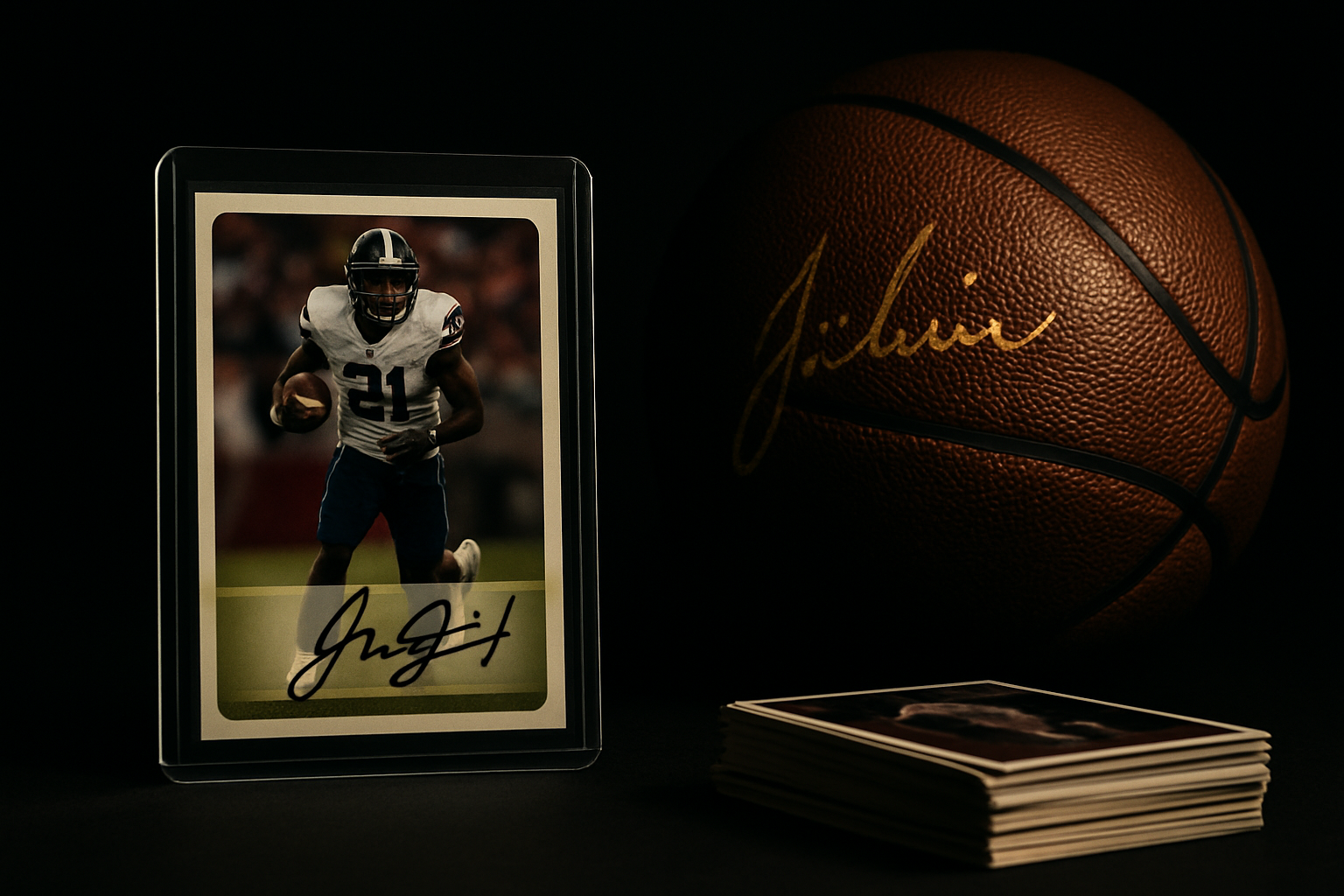
The sports memorabilia hobby is no longer a niche world reserved for deep-pocketed veterans chasing museum-grade relics. It has become broader, faster, and far more accessible. A major reason is simple: fans now have more ways to buy into the athletes, teams, and moments they care about. From signed jerseys of college stars to modern collectibles tied to today’s biggest names, the market is opening up to a new generation of collectors who want both emotional connection and potential upside.
That shift matters. For years, access was largely centered on retired legends, established pros, and older forms of memorabilia. Today, rule changes around NIL have widened the funnel. At the same time, younger collectors are shaping the market with different tastes, different budgets, and different ideas about what makes an item valuable. The result is a hobby that feels more alive, more inclusive, and more reflective of how modern fandom actually works.
NIL changed who fans can collect
One of the biggest developments in the hobby is the impact of NIL rules. Name, image, and likeness changes have made it possible for fans to buy memorabilia from college athletes, and in some cases even high school athletes, long before they ever turn pro. That is a dramatic change from the old model.
A few years ago, if you were a die-hard fan of a college quarterback, you could follow every snap, buy tickets, and wear the school colors, but you likely could not buy a legitimate signed jersey from him through a proper collectible channel. Now you can. That creates a new type of access that feels immediate and personal.
It also changes the timing of collecting. Instead of waiting for an athlete to reach the NFL, NBA, or another major league, fans can support and collect them earlier in their journey. For collectors, that introduces a mix of passion and speculation:
- Passion: owning something tied to a player you followed before the wider world noticed.
- Access: getting in at a stage when memorabilia may be more attainable.
- Speculation: betting that an early item from a future star could become far more desirable later.
That combination is powerful. It turns college fandom into a more active part of the memorabilia economy and gives schools, athletes, and collectors a new lane to engage with one another.
The hobby is broadening beyond old-school nostalgia
Traditional collecting still matters. Vintage cards, historic artifacts, and iconic names remain central to the market. Older collectors may still gravitate toward classic pieces tied to legends such as Mickey Mantle or Babe Ruth. Those items carry history, scarcity, and status that the hobby has long valued.
But the modern market is no longer built only on backward-looking nostalgia. Younger collectors are often just as interested in contemporary stars such as LeBron James, Tom Brady, or Serena Williams. They want collectibles connected to athletes they watched in real time, followed online, and debated with friends.
This changes the emotional rhythm of collecting. Instead of reliving the past alone, many collectors are trying to capture the present while it is still unfolding. A signed photo, jersey, or card from a current star is not just a keepsake. It is a marker of cultural relevance right now.
That is why the modern hobby feels more diverse in taste. It is no longer defined by one generation’s idea of greatness. It now includes:
- Vintage icons and historic artifacts
- Current superstar memorabilia
- College athlete collectibles through NIL
- Items tied to breakout moments and emerging careers
The collector base is expanding because the definition of what counts as meaningful memorabilia is expanding too.
Emotion still drives the market
For all the talk about value, price trends, and future upside, the core engine behind the sports memorabilia boom is still emotional. Fans want to own a piece of a team’s glory or a symbol of an athlete they admire. That desire is personal, and it often has very little to do with spreadsheets.
A signed jersey from a college quarterback means more when you watched every Saturday game. A Serena Williams collectible hits differently if you grew up watching her dominate. A Tom Brady item is not just an asset to a Patriots or Buccaneers fan. It is a connection to memories, milestones, and identity.
That emotional layer is what separates memorabilia from many other speculative markets. The best pieces tell a story. Even when buyers hope an item increases in value, they usually want something they can display, talk about, and revisit. The transaction may happen online, but the attachment is deeply human.
Tangible still beats digital for most collectors
Modern collecting has also experimented with digital formats. NFTs had their surge, and products like NBA Top Shot generated real excitement around digital highlight “moments.” For a while, that seemed like a major new frontier for the hobby.
But the hype has cooled. While digital collectibles carved out a memorable chapter, most collectors still prefer physical items they can hold, frame, shelf, or showcase in a room. A tangible object carries a different kind of satisfaction. It has presence.
That preference says a lot about what sports memorabilia really is. Fans are not just buying ownership rights or digital scarcity. They are often buying display value, conversation value, and emotional value. A signed ball on a desk or a framed jersey on a wall creates a daily connection that a digital asset often struggles to match.
Accessibility is changing the entry point
The hobby’s growing accessibility is not just about new categories of athletes. It is also about lowering the psychological barrier to entry. New collectors no longer have to begin with rare, six-figure grails. They can start with current players, college stars, or affordable signed items tied to teams and athletes they already love.
That matters because accessibility creates participation. Participation creates community. And community keeps the market active.
A younger fan might begin with a signed item from a college player they believe in. Over time, that same collector may branch into cards, game-used gear, or vintage pieces. NIL and modern access do not replace traditional collecting. They create on-ramps into it.
In that sense, the hobby is becoming more democratic. You do not need decades of experience or a family archive to feel like you belong. If you care about the story behind an item, you already understand the heart of collecting.
The new collector mindset: passion plus possibility
One reason the market remains so vibrant is that modern collectors often think with two lenses at once. They buy what they love, but they are also aware of what could happen next. A collectible can be both a fandom purchase and a calculated bet.
Consider a fan who buys a signed jersey from a college athlete before a professional breakout. If that player becomes a star, the item may gain prestige and value. If not, the collector may still be happy because the piece represents a moment they cared about.
That dual appeal is one of the hobby’s great strengths. It creates resilience. People are not always collecting for the same reason, but many are collecting for overlapping reasons:
- To celebrate loyalty to a team or athlete
- To own something with a compelling story
- To display a meaningful piece of sports culture
- To speculate on future value
- To participate in a growing and evolving marketplace
When a market can serve all of those motives at once, it tends to stay dynamic.
Why this evolution matters
The sports memorabilia world has always had a wild side. Fans will chase almost anything if it connects them to their favorite game or hero. That appetite has built a booming hobby worth billions, powered by stories, identity, nostalgia, and status.
What is different now is who gets to participate and when. NIL has opened the door to earlier-stage collecting. Younger buyers are validating modern stars alongside historical legends. Even the rise and cooling of digital collectibles has clarified what many collectors value most: real, tangible objects with emotional weight.
This is not a fading market clinging to the past. It is a vibrant one adapting to the present.
Final thought
Modern access and NIL are making the hobby more accessible and more diverse because they reflect how fans actually connect with sports today. They follow athletes earlier, care about current stars as much as old legends, and want collectibles that feel personal, visible, and real. The market may evolve in format and fashion, but its foundation remains the same: fan loyalty and nostalgia. At its best, sports memorabilia is not just about owning an item. It is about owning a piece of the story.