
There are many different types of sports memorabilia available, and each item can be class | The Lockdown Millionaire
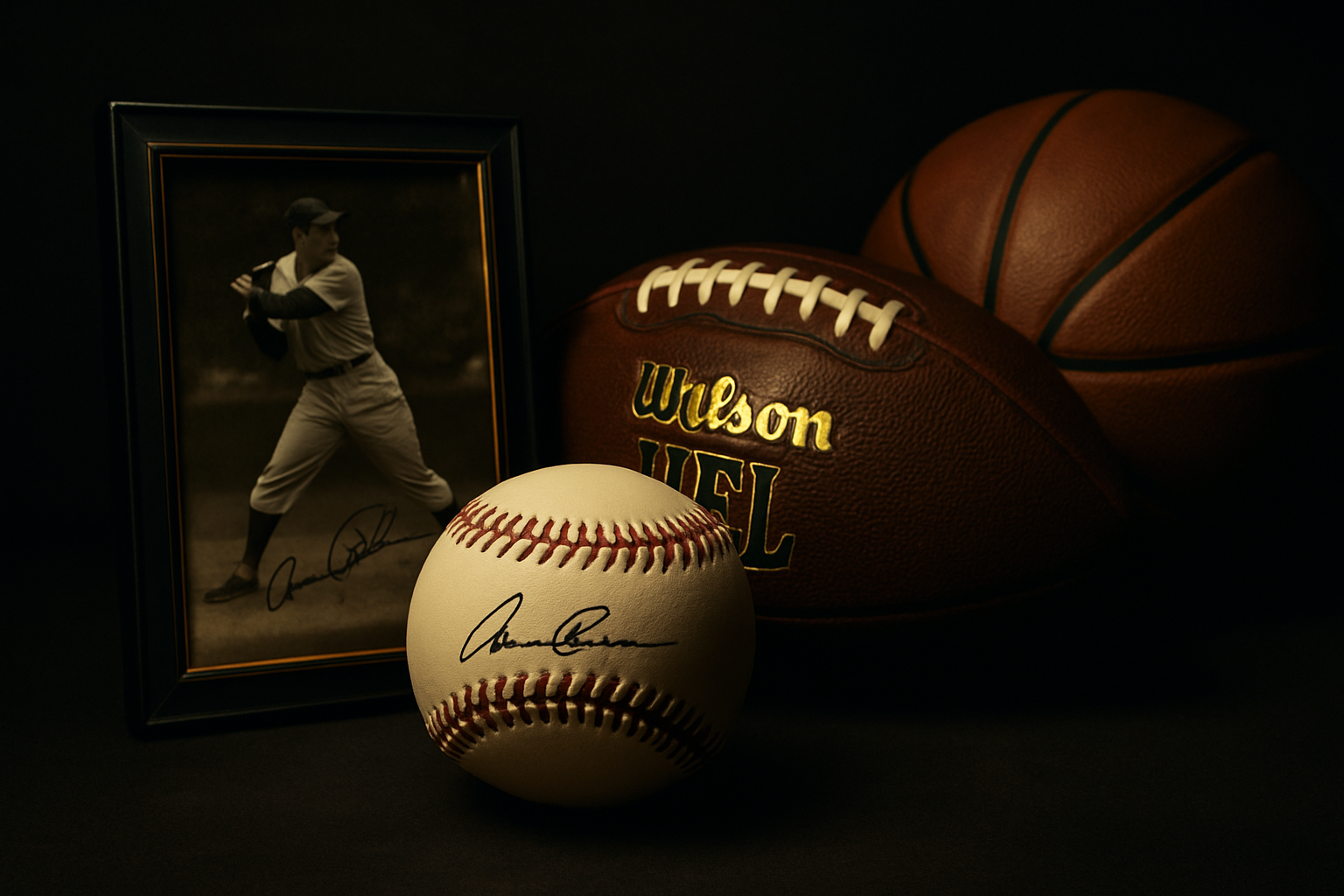
Sports memorabilia has evolved from a niche hobby into a serious collector market with broad appeal. For fans, it offers a way to own a physical piece of sporting history. For collectors and resellers, it can also represent a category with strong demand, emotional pull, and clear opportunities to specialize. The key is understanding that not all memorabilia is the same. Some items are mass-produced and easy to source, while others are rare, historic, and difficult to replace. Knowing the difference is what helps buyers make smarter decisions.
At the most basic level, sports memorabilia can be divided into collectibles and vintage items. From there, it branches into team-specific, athlete-specific, and event-specific categories. Each class has its own audience, pricing dynamics, and long-term appeal.
Collectibles vs. Vintage Items
The first distinction every buyer should understand is whether an item is a collectible or a vintage piece.
Collectibles
Collectibles are generally items that are still in production. They are widely recognized, often accessible to newer buyers, and can be a low-friction entry point into the memorabilia market. Common examples include:
- Trading cards
- Jerseys
- Athlete Pops
- Funko Pops
- Bobbleheads
These items tend to appeal to a broad fan base because they are affordable relative to rarer pieces and often tied to current players, teams, or seasons. A limited-edition bobblehead giveaway or a newly released jersey can generate immediate demand, especially if linked to a popular athlete or championship run.
Vintage Items
Vintage memorabilia refers to items that are no longer in production. These pieces are often harder to find and may carry greater value because of their scarcity, age, or historical significance. Vintage items usually attract more serious collectors, particularly those focused on rarity and condition.
The value of vintage memorabilia often comes from a combination of factors:
- Limited surviving supply
- Connection to a notable player, team, or era
- Historical significance
- Original condition and authenticity
In simple terms, a current jersey bought today may be a collectible, while an out-of-production item tied to a past sporting era may become a vintage asset over time.
Team-Specific and Athlete-Specific Memorabilia
Beyond the collectible-versus-vintage split, many items are defined by who or what they represent. This is where team-specific and athlete-specific memorabilia becomes especially valuable.
Team-specific memorabilia is built around fan loyalty. Supporters often want pieces tied directly to their club, franchise, or national side. These can include:
- Team merch
- Signed team photos
- Branded balls, bats, or helmets
- Limited-edition championship items
Athlete-specific memorabilia tends to be even more targeted. Fans of individual stars will often pay premiums for items directly linked to that player, especially if the item is autographed or connected to a defining moment in their career. Examples include:
- Autographed photos
- Signed balls or bats
- Player jerseys
- Personalized merch tied to a star athlete
The more iconic the athlete, the stronger the long-term collector interest tends to be. A signed item from a legendary player naturally commands more attention than a similar piece tied to a lesser-known name.
Event-Specific Memorabilia: Where History Drives Value
Some of the most compelling categories in sports memorabilia are tied to a specific event or game. These items often carry a deeper emotional and historical charge because they connect directly to a moment fans remember.
Examples of event-specific memorabilia include:
- Ticket stubs from historic games
- Event posters
- Championship rings
- Event-worn jerseys or uniforms
- Game-used equipment such as bats, balls, gloves, or helmets
- Press passes
- Official scorecards or stat sheets
- Stadium giveaways, including bobbleheads and limited-edition merch
A ticket stub from a landmark game, such as Michael Jordan’s final NBA game, has value not just as paper memorabilia but as a timestamp from a culturally important moment. The same principle applies to a game-used bat from a major performance or an event-worn jersey from a championship appearance.
These items stand out because they are closely tied to real history. They do not just represent a player or team in general; they represent a specific occasion that fans can identify and remember.
Why Demand for Sports Memorabilia Keeps Rising
The demand for sports memorabilia has increased significantly in recent years, and the reasons are straightforward.
1. Growing global interest in sports
Sports fandom continues to expand across the world. As leagues, athletes, and major tournaments attract larger audiences, more people want to own a tangible connection to the teams and players they follow. Memorabilia satisfies that desire in a way digital content cannot.
2. Emotional attachment
Memorabilia is not just about ownership. It is about identity, nostalgia, and personal connection. Fans often buy items that remind them of a childhood hero, a championship season, or a game they watched with family and friends. That emotional component is a major driver of value.
3. E-commerce has changed everything
Online selling has transformed the memorabilia market. Buyers no longer need to rely solely on local card shops, conventions, or in-person auctions. They can now browse listings, compare prices, and purchase rare items from sellers around the world.
This wider access has done two important things:
- It has expanded the pool of potential buyers
- It has made it easier for sellers to reach niche collector audiences
As a result, items that once had only local interest can now find global demand.
Practical Examples of How Items Are Classified
To better understand how this works, it helps to look at a few simple examples.
Example 1: A newly released Funko Pop of a star athlete
This would generally be classified as a collectible. It is still in production or recently released, and its appeal comes from current fan demand and limited-edition potential.
Example 2: An out-of-production jersey from a past era
This would likely be a vintage item, especially if it is tied to a significant team period or iconic player.
Example 3: A signed baseball from a specific player
This falls into athlete-specific memorabilia. If the player is famous and the signature is authenticated, the value can be considerably higher.
Example 4: A ticket stub from a historic final
This is event-specific memorabilia. Its value is driven by the importance of the game and the rarity of surviving examples.
Example 5: A stadium giveaway bobblehead from a championship season
This starts as a collectible but can become more desirable over time if the release was limited or tied to a memorable season.
What Makes One Memorabilia Item More Valuable Than Another?
While categories help define the market, value usually depends on a few practical factors:
- Rarity: Scarcer items usually attract stronger demand.
- Condition: Better-preserved items are generally worth more.
- Authenticity: Proven legitimacy is critical, especially for autographs and game-used pieces.
- Player or team significance: Legendary names carry premium value.
- Historical relevance: Items tied to iconic games or achievements tend to stand out.
For collectors looking at memorabilia through an investment lens, these factors matter far more than hype alone.
A Smart Way to Approach the Market
If you are buying sports memorabilia with long-term value in mind, start by choosing a lane. Some collectors focus on modern collectibles with strong fan demand. Others prefer rare vintage pieces. Some target one team, one athlete, or one sport. Specialization often leads to better judgment and fewer bad purchases.
It also helps to think in layers:
- Entry-level buyers may start with collectibles like cards, jerseys, and bobbleheads.
- More experienced collectors may pursue autographed or athlete-specific pieces.
- Advanced buyers often target vintage or event-specific memorabilia with proven scarcity.
This structured approach makes it easier to build knowledge, spot quality, and avoid overpaying for average items.
Conclusion
Sports memorabilia is far more than a pile of fan merchandise. It is a layered market made up of collectibles, vintage items, team-specific pieces, athlete-specific assets, and event-specific artifacts. Each class carries its own appeal, and each attracts a different type of buyer.
As demand continues to grow—fueled by global sports fandom, emotional attachment, and the reach of e-commerce—the ability to classify memorabilia correctly becomes increasingly valuable. Whether you are collecting for passion, profit, or