
In addition to modern memorabilia, there has been a notable surge in the demand for collec | The Lockdown Millionaire
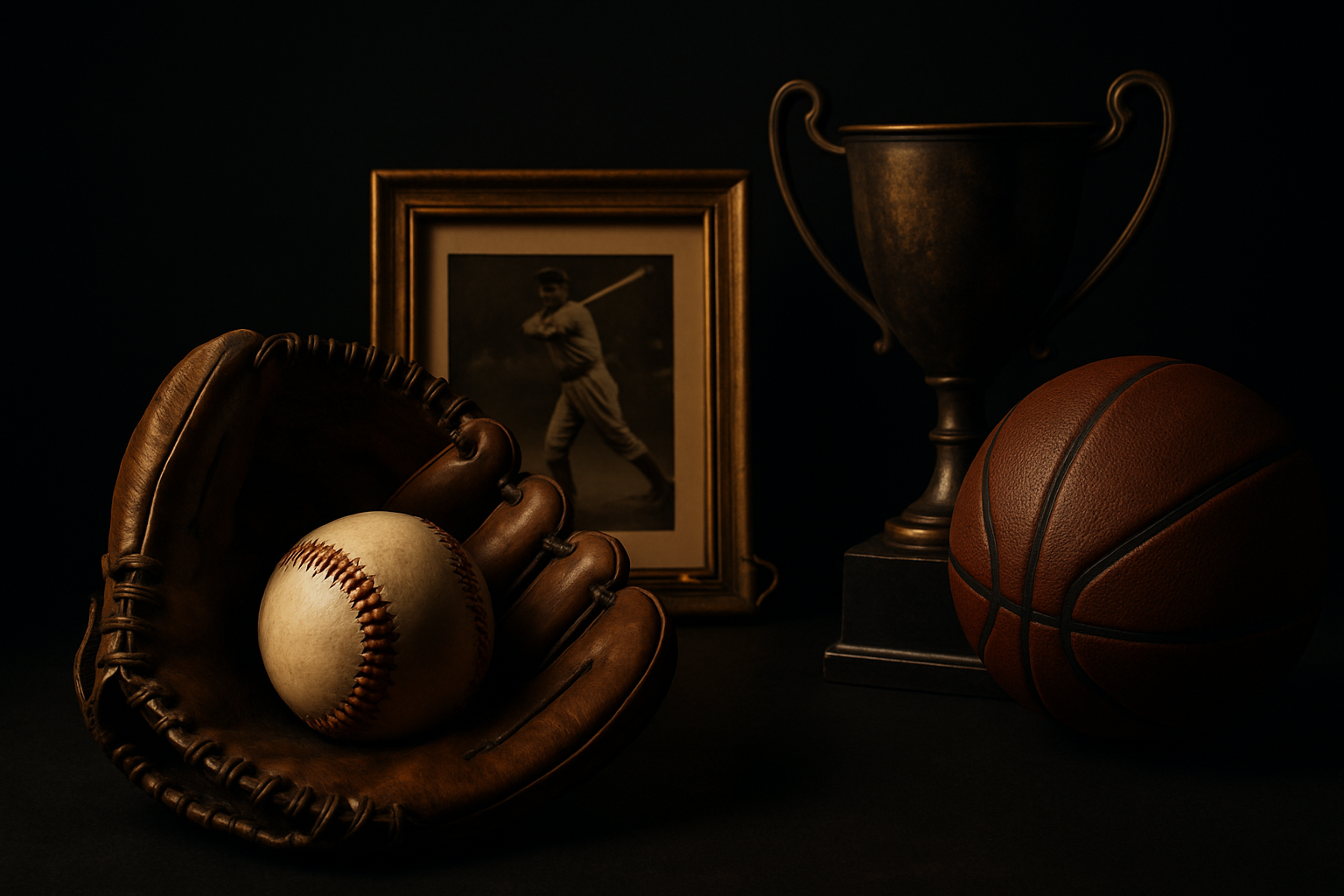
The market for sports collectibles has moved far beyond modern signed photos and freshly released merchandise. Today, one of the strongest trends is the growing demand for collectible and vintage sports items: pieces that carry history, nostalgia, and real emotional pull. From autographed baseballs and game-era jerseys to vintage WWF and WCW posters, shirts, belts, and memorabilia, collectors are increasingly chasing items that connect them to iconic athletes, unforgettable matches, and the energy of a different era.
For buyers, this creates an exciting opportunity to own a tangible piece of sports history. For sellers, it opens a profitable lane—if they understand what collectors actually want. The key is knowing where demand is building, how to verify authenticity, and which types of memorabilia have lasting appeal.
Why Vintage Sports Memorabilia Is Surging
Sports fandom has always been emotional, but vintage memorabilia adds another layer: nostalgia. A signed ball from a legendary player or a jersey tied to a historic game feels different from a mass-produced modern item. It tells a story. That storytelling power is exactly why older sports collectibles are becoming more desirable.
Collectors are not just buying objects. They are buying memories, status, rarity, and a link to moments that shaped sports culture. As the popularity of sports continues to rise across generations, more people want items that stand out from ordinary fan gear.
This trend is especially visible in categories tied to iconic eras. Wrestling memorabilia, for example, has seen major interest from collectors who grew up during the WWF and WCW boom years. Vintage posters featuring stars like Hulk Hogan, The Rock, Stone Cold Steve Austin, Sting, Ric Flair, or Goldberg have become highly sought after because they capture a cultural moment that can’t be recreated.
What Collectors Are Looking For Right Now
Demand tends to concentrate around a few core categories of memorabilia. While trends shift over time, several types of items consistently attract serious buyers:
- Signed memorabilia such as baseballs, jerseys, posters, and photos
- Vintage game-era apparel including shirts, jackets, and older branded merchandise
- Historic event items tied to major games, title runs, or iconic moments
- Wrestling collectibles from the WWF and WCW eras, especially posters, belts, and clothing
- Rare merchandise that was produced in limited numbers or is difficult to find in strong condition
In practical terms, a collector may value a vintage WWF poster not simply because it features famous names, but because it reflects the exact look and feel of wrestling’s golden entertainment era. The same logic applies across sports. A retro item with a strong visual identity and era-specific appeal often performs better than a newer piece with less character.
The Power of Nostalgia in Wrestling Collectibles
One standout area within vintage sports memorabilia is wrestling. Fans of WWF and WCW have become serious collectors, particularly as those brands and stars remain deeply embedded in pop culture. Posters, shirts, clothing, belts, and promotional merchandise from those eras now carry significant collector appeal.
A vintage WWF poster featuring Hulk Hogan, The Rock, or Stone Cold Steve Austin can trigger instant recognition and nostalgia. A classic WCW poster showcasing Sting, Ric Flair, or Goldberg does the same for a different fan base. These are not just decorative items—they represent a time when wrestling was larger than life and dominated mainstream entertainment.
Because of that emotional weight, rare wrestling collectibles often hold a special place in collectors’ hearts. If the item is authentic, visually strong, and linked to a major personality or era, demand can be surprisingly high.
How Sellers Can Stay Ahead of the Market
Success in this category is not about randomly listing old merchandise and hoping for the best. Sellers need to stay tuned in to collector behavior. The memorabilia market shifts based on player popularity, anniversaries, documentaries, Hall of Fame conversations, major sports moments, and resurging interest in specific eras.
To navigate the market successfully, sellers should focus on:
- Current demand by tracking which athletes, teams, and eras are getting attention
- Collector preferences including condition, rarity, and presentation
- Emerging stars whose memorabilia may gain traction early
- Historical moments that renew interest in older items
- Authenticity standards so buyers feel confident making purchases
For example, if a wrestling legend is featured in a major documentary or inducted into a hall of fame, interest in associated memorabilia may spike. The same can happen when a retired athlete returns to public attention or when a historic game reaches a milestone anniversary. Smart sellers keep a finger on the pulse and adjust inventory accordingly.
How to Buy Sports Memorabilia Safely
Buying sports memorabilia online is easier than ever, but the convenience comes with one major responsibility: making sure the item is genuine. Whether you’re shopping for a signed jersey, an autographed baseball, a basketball collectible, football memorabilia, NHL gear, soccer items, or a vintage poster, authenticity should be your first concern.
Before buying, look for items that have been certified by a reputable organization. Verified authentication helps reduce the risk of buying counterfeit or misrepresented memorabilia. In a market driven by trust, certification can dramatically affect both resale value and peace of mind.
It also helps to buy from established platforms with a solid reputation in the memorabilia space. One of the leading names mentioned in this market is SportsMemorabilia.com, a site known for offering a wide range of collectible items for avid fans and gift buyers alike.
What Makes an Item Valuable?
Not every old sports item becomes valuable. The strongest collectibles usually combine several of the following traits:
- Authenticity
- Rarity
- Condition
- Connection to a famous player or star
- Association with a historic event or era
- Strong nostalgic or visual appeal
A signed baseball from a legendary player, for instance, carries value because it blends star power with scarcity and historical relevance. A vintage WCW shirt in excellent condition can become desirable because far fewer clean examples remain in circulation. The more boxes an item checks, the stronger its collector appeal tends to be.
Practical Tips for New Collectors
If you are just getting started, the best approach is to collect with both passion and discipline. Buy what genuinely interests you, but always keep quality and authenticity in mind.
- Start with a sport, team, era, or personality you know well
- Research recent demand before making a purchase
- Prioritize authenticated items whenever possible
- Pay attention to condition, especially with posters and clothing
- Use trusted platforms rather than unknown sellers
- Think long term instead of chasing hype alone
This is especially important in vintage categories, where emotional buying can lead people to overpay. Knowing the difference between a rare collectible and a common nostalgic item can protect your wallet and improve the quality of your collection.
The Opportunity in a Passion-Driven Market
Sports memorabilia sits at the intersection of fandom, history, and commerce. That makes it a uniquely resilient market. People do not just buy these items because they are valuable—they buy them because they mean something. That emotional connection is what keeps vintage and collectible sports items in demand.
As interest continues to grow, the biggest opportunities will belong to buyers and sellers who understand the culture behind the collectibles. Knowing why a vintage poster matters, why a signed item stands out, or why a certain era is suddenly back in demand can make all the difference.
The bottom line: collectible and vintage sports memorabilia is no longer a niche side market. It is a thriving category fueled by nostalgia, authenticity, and passion. Whether you are hunting for a signed jersey, a classic poster, or a rare piece of WWF or WCW history, the smart play is simple: follow the trends, buy authentic, and focus on items that tell a story worth owning.