

This AI Personal Stylist Turns Your Closet Into Daily Weather-Smart Outfit Picks | The Lockdown Millionaire
Your wardrobe is probably more useful than you think. Most people wear the same reliable combinations on repeat, not because they lack clothes, but because choosing an outfit every day is a low-level decision drain. Add changing weather, different social settings, and the eternal question of whether something actually looks good together, and getting dressed starts feeling like a tiny daily project.
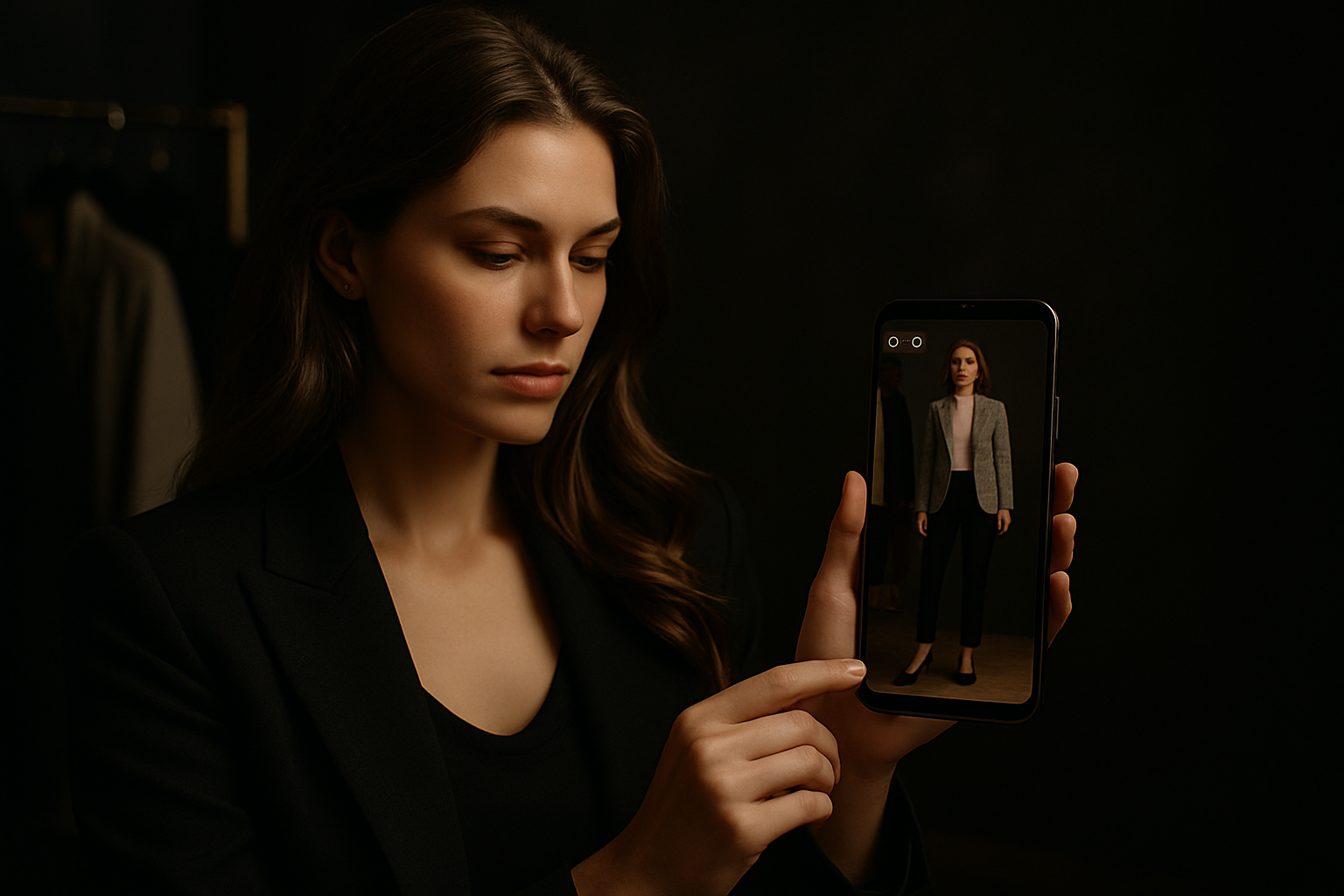
That is exactly why an AI personal stylist is such an interesting product idea right now. The concept is simple, practical, and sticky: snap your closet, get fit-checked by AI, and receive daily outfit suggestions based on weather, vibe, and occasion. Add a “See it on You” feature that helps users visualize how a look comes together, and you have the kind of app people open every morning.
For founders, this is one of those rare AI ideas that feels consumer-friendly, easy to understand, and realistic to validate fast. For users, it solves a genuine problem with almost no learning curve. Take photos of what you own. Let AI organize it. Get smarter recommendations every day. That is a much easier sell than “reinvent fashion.”
What the AI Personal Stylist Actually Does
At its core, the app turns a chaotic closet into a searchable personal inventory and recommendation engine. A user uploads photos of clothes, shoes, jackets, bags, and accessories. The AI then tags each item by category, color, style, season, and likely use case.
From there, the app can generate outfit suggestions using a few practical inputs:
- Weather: temperature, rain, wind, humidity, or sudden cold snaps
- Vibe: casual, smart, minimal, cozy, date night, streetwear, work-ready
- Occasion: office, weekend errands, dinner, gym, travel, events
- Fit-checking: whether colors, layers, and proportions work together
- Rotation logic: surfacing underused items already in the closet
Instead of asking, “What should I wear?” users get a short list of options that fit their actual life. That is what makes the product feel valuable immediately.
Why “See it on You” Is the Killer Feature
Recommendation alone is useful, but visualization is where this becomes addictive. A “See it on You” feature gives users a much stronger sense of confidence before they leave the house. Rather than imagining whether a blazer works with wide-leg trousers or whether a specific color combination feels right, they get a visual preview grounded in their own wardrobe and body context.
That matters because the biggest friction in fashion is uncertainty. People do not just want ideas. They want reassurance.
A strong “See it on You” experience could help users:
- Preview full outfits from pieces they already own
- Compare two or three possible looks side by side
- Avoid combinations that clash in tone, silhouette, or seasonality
- Pack better for trips by visualizing complete outfits in advance
- Buy less by rediscovering what is already in the closet
In product terms, this is powerful because it increases engagement. Once users trust the app’s eye, they return daily.
Why This AI Product Has Real Consumer Demand
This is not a novelty feature pretending to be a business. It sits at the intersection of three strong behaviors: people already photograph clothes, check weather every day, and seek style validation online. The app simply combines those habits into one workflow.
It also avoids a common AI trap: solving a problem users do not care enough about. Getting dressed is repetitive, universal, and frequent. If an app saves time, reduces indecision, and helps people feel better in what they wear, the value is obvious.
There is also a strong emotional angle here. Fashion is tied to identity, confidence, and social presentation. An app that can say, “Here are three weather-smart outfits that fit your mood today,” feels personal in a way many utility apps do not.
How a Simple MVP Could Work in Two Weeks
This idea is especially attractive because the minimum viable product does not need to be perfect. It just needs to produce believable, helpful outfit suggestions from a user’s existing wardrobe.
A lean MVP could include:
- Closet upload: users snap photos of clothing items
- AI tagging: identify item type, color, fabric cues, and style category
- Daily suggestion engine: combine wardrobe data with local weather
- Vibe selector: users choose moods like polished, comfy, bold, or clean
- Basic fit-check: score outfit combinations for cohesion
- “See it on You” mockup: even a simple visual arrangement is enough to test demand
You do not need a fully cinematic virtual try-on engine on day one. You need a product that makes users say, “This is actually helpful.”
That is why this concept fits perfectly into the kind of AI MVP that can be validated quickly. Build the first version with tools like ChatGPT, Claude, Gemini, or an open-source LLM on the backend, connect weather APIs, use image classification for wardrobe tagging, and focus hard on usability over complexity.
A Real-World User Flow
Imagine a user named Maya. On Sunday, she uploads 35 clothing items from her closet: jeans, neutral tops, sneakers, a trench coat, a few dresses, and workwear basics. The AI sorts everything automatically.
On Monday morning, the app checks her local forecast: 58 degrees, light rain, office day. Maya selects the vibe “clean and professional”. The app suggests:
- Cream knit top
- Black tailored trousers
- Beige trench coat
- Loafers
- Optional umbrella and structured tote
Then the app shows an alternate suggestion for a more relaxed mood and flags that her white sneakers could work if her office is casual enough. That is not futuristic fantasy. That is practical, high-frequency value.
By Friday, the app notices she has not worn two specific jackets in weeks and starts rotating them into suggestions. Over time, it learns her preferences and improves. That is when a simple tool becomes a habit product.
What Makes This Business More Than a One-Off Feature
The strongest consumer AI products do not just answer a question once. They become part of a routine. This idea has that potential because getting dressed is a daily event, not an occasional task.
There are several ways this can evolve into a larger platform:
- Closet analytics: track most-worn items and cost-per-wear
- Packing mode: create travel outfits by destination weather and trip length
- Shopping recommendations: suggest missing staples that match existing wardrobe gaps
- Color coordination: help users build more versatile wardrobes
- Laundry-aware suggestions: avoid recommending dirty or unavailable items
- Calendar sync: pair outfits with meetings, dates, travel, or events
That opens the door to premium subscriptions, affiliate revenue, wardrobe consulting, and style-based upsells. The initial hook is outfit picking. The long-term business is personal style infrastructure.
Why This Fits the Current AI Opportunity Window
One reason this category is compelling is that it is understandable enough to spread organically. Users can demo it in seconds. Founders can explain it in one sentence. Audiences on Product Hunt, Twitter, TikTok, and Reddit instantly get the use case.
That matters because distribution is often harder than development. An AI personal stylist with weather-smart recommendations is easy to show, easy to test, and easy to share. Before-and-after closet organization, daily fit suggestions, and visual outfit previews are naturally social product moments.
It also sits neatly inside a broader wave of AI consumer tools solving routine personal decisions. The same source trend is visible in products like AI meal planners synced to grocery inventory, AI home repair assistants that diagnose issues from a photo, AI travel hackers that optimize points and itineraries, and AI mental health journals that summarize emotional patterns. The pattern is clear: AI wins when it turns messy personal input into fast, useful daily guidance.
Fashion is a strong candidate because the inputs are visual, the outcome is immediate, and the user benefit is easy to feel.
How to Validate Demand Fast
If you are considering building in this space, do not overcomplicate the launch. The first goal is not perfection. It is proof that users want AI-selected outfits from their own wardrobe.
A smart validation plan could look like this:
- Build a lightweight MVP with closet uploads and weather-based suggestions
- Create a landing page with a clear promise and waitlist
- Demo outfit generation with a few realistic sample closets
- Launch on Product Hunt to attract early adopters
- Share short demos on Twitter/X, TikTok, and Instagram Reels
- Post in fashion, productivity, and AI-focused