

Why Smart Investors Buy When Markets Freeze: Crypto, Housing, NFTs, and More at Fire-Sale Prices | The Lockdown Millionaire
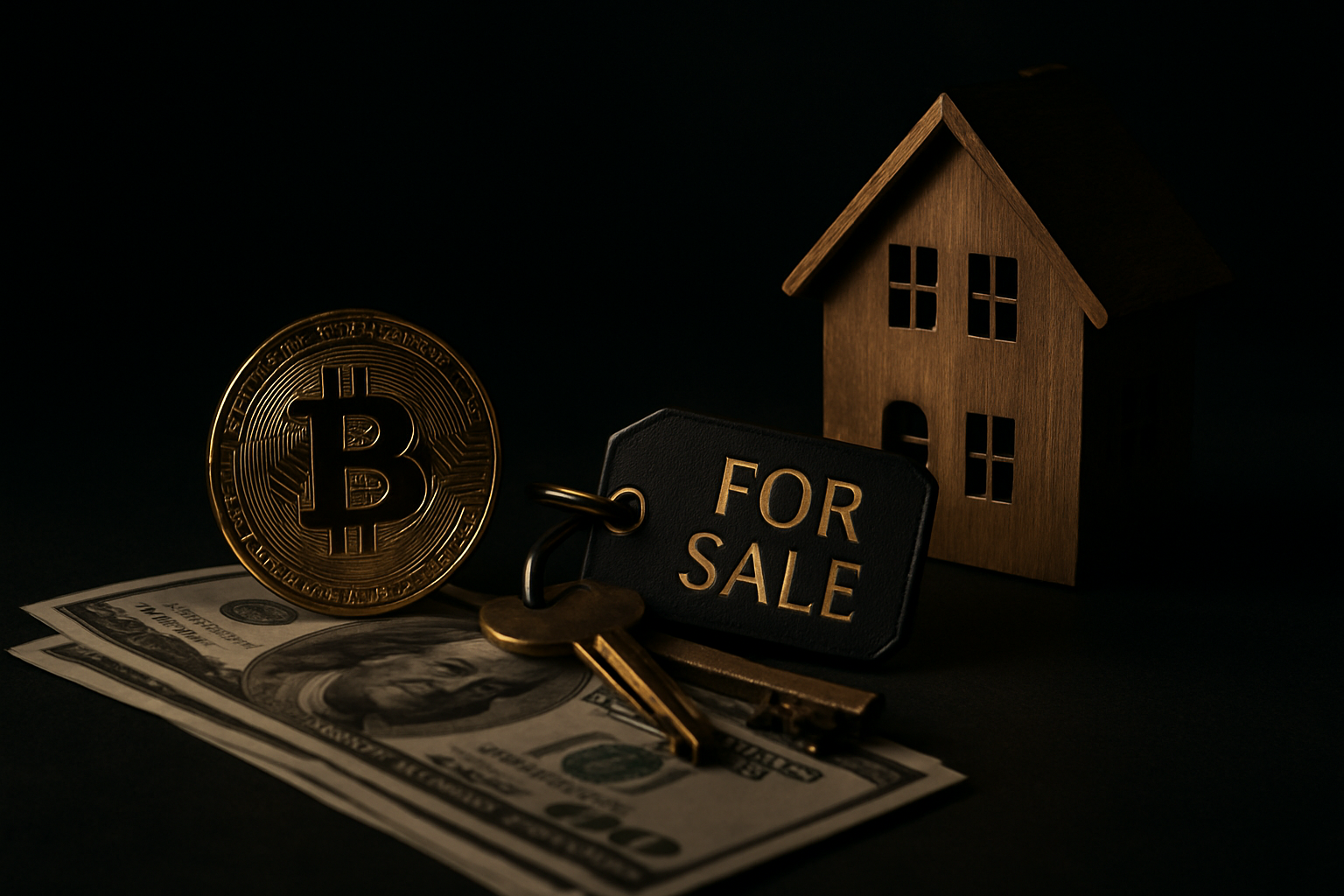
When markets freeze, most people do the same. Fear spikes, headlines turn apocalyptic, and sellers rush for the exits. But for smart investors, that silence is often where the biggest opportunities begin. When money stops flowing freely, prices fall faster than intrinsic value, weak hands dump quality assets, and buyers with patience and liquidity can step in at fire-sale prices.
This is the uncomfortable truth about wealth creation: fortunes are rarely made by buying what feels safe at the top. They are built by acquiring strong assets when sentiment is broken, liquidity is tight, and everyone else is too scared to act. In periods like these, cash becomes optionality. It gives you the ability to buy what others are forced to sell.
Why frozen markets create outsized opportunity
In hot markets, almost everything gets bid up. Good assets, bad assets, hype-driven assets, and outright junk all get pulled higher by easy money and momentum. But when the market quiets and capital tightens, that illusion disappears. Buyers vanish, sellers become motivated, and prices can collapse to a fraction of their previous levels.
This is where disciplined investors gain an edge. They understand that a frozen market is not just a period of fear. It is a transfer window. Assets move from emotional owners to strategic owners. In many cases, things that once traded at full retail begin changing hands at 20 cents on the dollar.
That does not mean everything is suddenly a bargain. It means the investor willing to separate quality from noise has the chance to buy selectively, not emotionally.
Cash is king when liquidity disappears
During a downturn, the phrase cash is king stops sounding cliché and starts becoming reality. Liquidity gives you leverage without borrowing. It lets you negotiate, wait, and move fast when opportunities appear.
In a frozen market, desperate sellers often care more about certainty than price. They need to exit. They need to raise cash. They need relief. That creates a powerful setup for buyers who are prepared.
- You can negotiate harder because fewer buyers are competing.
- You can choose better assets because forced selling expands your options.
- You can avoid hype premiums because sentiment has already been crushed.
- You can build long-term positions instead of chasing short-term momentum.
The key is simple: do not confuse patience with passivity. Smart investors stay ready so they can act decisively when others cannot.
Crypto bear markets: where conviction gets tested
The crypto market is one of the clearest examples of what happens when liquidity dries up. In bull cycles, almost every token gets a narrative. In bear cycles, the entire space gets scorched. Scandals, bankruptcies, and exchange failures shake confidence, and retail investors retreat. Events like FTX intensified that fear, pushing many participants out of the market entirely.
But this washout phase can also be a purification process. Weak projects disappear. Overleveraged players get wiped out. Speculators leave. What remains is a smaller field of stronger networks, more realistic valuations, and a market no longer priced for perfection.
For investors who still believe in the long-term role of digital assets, this is often the moment to begin accumulating selectively. Not recklessly. Selectively.
How smart buyers approach crypto in a downturn
- Focus on the top tier rather than gambling on obscure coins that may never recover.
- Avoid platforms with counterparty risk and prioritize self-custody where appropriate.
- Accumulate gradually instead of trying to pick the exact bottom.
- Study survival strength by asking which projects still matter after the hype is gone.
When the “crypto sea parts,” the opportunity is not in blind optimism. It is in buying durable assets at depressed prices while the masses are too traumatized to even look.
Housing downturns reward patient capital
Housing behaves differently from crypto, but the same broad principle applies. When interest rates rise and inflation squeezes buyers, affordability drops. Transactions slow. Inventory builds. Sellers who anchored to yesterday’s peak pricing begin facing today’s reality.
In that environment, cracks appear. Overextended homeowners, speculative landlords, and distressed investors may be forced to sell into weakness. If the housing market does roll over meaningfully, patient buyers with financing in place or cash reserves will have an edge.
Where the value tends to show up
- Motivated sellers who need speed more than top dollar.
- Properties with cosmetic issues that scare away average buyers but offer upside.
- Overbuilt or overheated submarkets where prices got ahead of fundamentals.
- Assets with strong rental potential that can produce cash flow while the market recovers.
The goal is not to celebrate a crash. It is to recognize that every housing correction resets bargaining power. Buyers who stayed liquid and did their homework can often purchase quality property at terms that were impossible during the frenzy.
NFTs and sports cards: panic selling creates mispricing
Speculative collectibles often suffer the sharpest repricing when the money tide goes out. NFTs and sports cards are especially vulnerable because they are driven heavily by sentiment, attention, and discretionary spending. When people feel rich, they collect aggressively. When they feel squeezed, collectibles flood the market.
That flood is where sharp buyers look for mispricing. Not every collection or card will recover. Many never should have been valued highly in the first place. But within a market-wide liquidation, premium assets can get dragged down alongside low-quality ones.
What to look for in distressed collectible markets
- Scarcity that is real, not artificially manufactured.
- Historical or cultural significance that extends beyond hype cycles.
- Strong provenance and authenticity for anything you buy.
- A clear difference between blue-chip items and trend-driven junk.
When desperate sellers emerge, the advantage goes to the buyer who knows the difference between a temporary markdown and a permanent value trap.
The psychology of buying when others retreat
The hardest part of investing during a freeze is not analysis. It is emotion. Buying into panic feels wrong because it usually looks ugly in real time. Headlines are negative. Prices may keep falling after you buy. Friends may think you are reckless. That discomfort is exactly why the opportunity exists.
Most people want confirmation before they act. Smart investors want value before they act. Those are not the same thing.
That does not mean being a contrarian for the sake of it. It means understanding that market extremes create emotional distortions. At peaks, people overpay because they fear missing out. At bottoms, they underbuy because they fear losing more. The disciplined investor works to stay rational while others swing between greed and fear.
Practical rules for hunting bargains in a frozen market
If you want to capitalize when markets go quiet, you need more than courage. You need a process.
- Keep liquidity available. You cannot buy fire-sale assets if all your capital is already tied up.
- Build a watchlist early. Know what you want before panic creates the discount.
- Target quality first. Cheap bad assets are still bad assets.
- Scale in slowly. Let volatility work for you instead of trying to time a single perfect entry.
- Demand a margin of safety. Buy at prices that leave room for further turbulence.
- Avoid leverage traps. Debt can destroy your flexibility just when you need it most.
A frozen market rewards preparation, not impulsiveness. The best buyers are rarely the loudest. They are the ones who spent months understanding what they would buy if fear ever handed them the chance.
What this means for the next wave of opportunity
While traditional and speculative assets reprice, another opportunity is quietly forming in the background: AI. The same principle applies. Massive long-term upside often emerges during periods when the crowd is distracted, skeptical, or focused elsewhere.
From 2025 to 2045, AI may create a new generation of solo builders and small operators who launch niche tools with little overhead and enormous scale potential. The barrier to building has dropped. One person with a laptop, internet access, and relentless execution can now create products that previously required teams and funding rounds.
That matters because wealth is not only built by buying distressed assets. It is also built by recognizing where the next value explosion will come from while others are still mentally anchored to the last cycle.
The real edge: buying value when emotion destroys price
Market freezes separate spectators from investors. When the noise dies down, the forced sellers appear, the hype evaporates, and pricing finally starts reflecting stress instead of fantasy. That is when disciplined capital has its moment.
Crypto, housing, NFTs, sports cards, and emerging sectors like AI all move through cycles of excess and contraction. The investors who win over time are not the ones who chase excitement at the top. They are the ones who stay liquid, stay rational, and step in when prices no longer match long-term potential.
When markets freeze, opportunity does not disappear. It changes hands. And for those willing to act with patience, discipline, and conviction,