

Why Retro Gaming Is Exploding Again—and the New 4K Consoles Fueling the Nostalgia | The Lockdown Millionaire
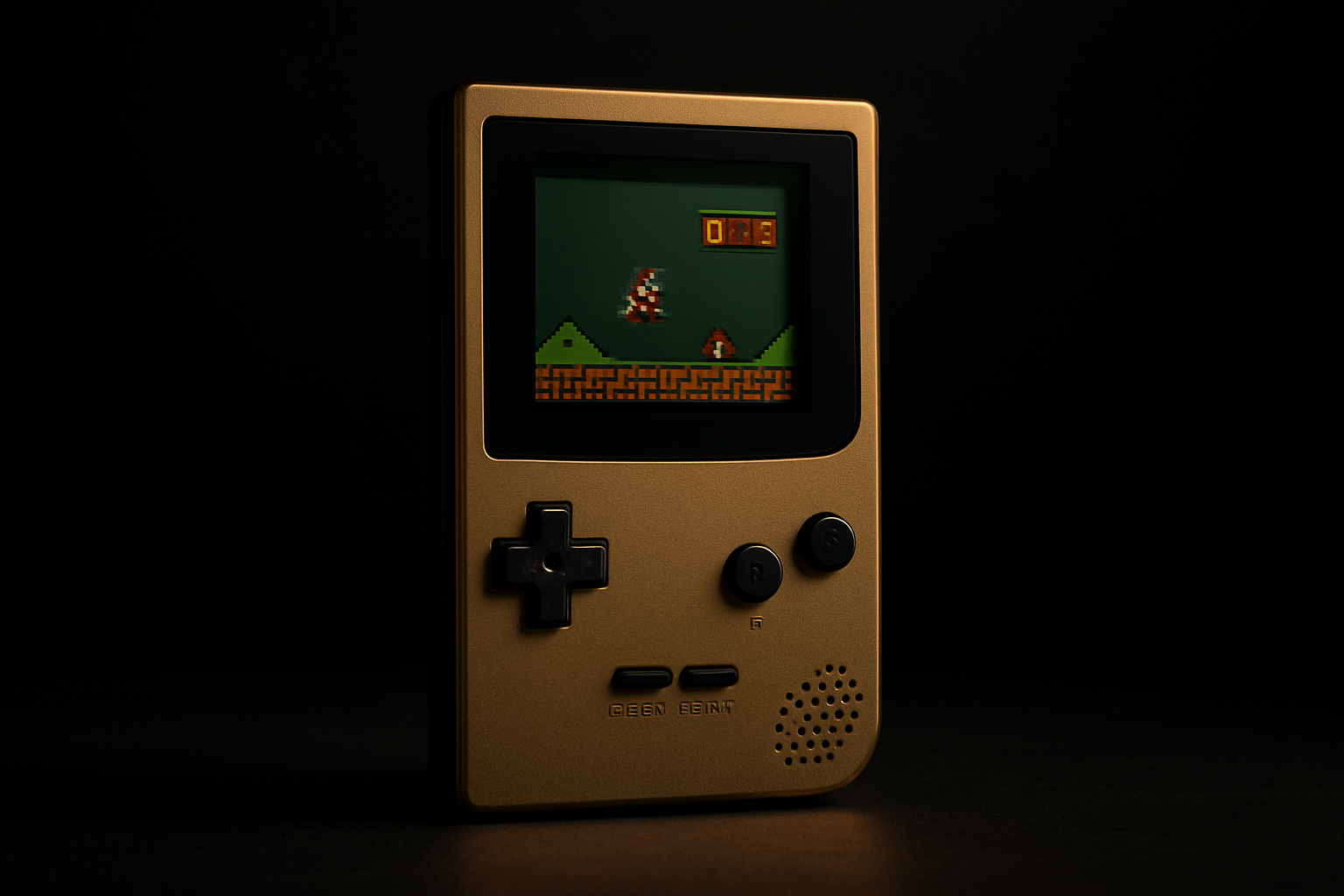
Retro gaming is no longer a niche hobby tucked away in collector forums and second-hand shops. It has become a full-blown cultural wave, powered by something far more durable than trend cycles: memory. For millions of players, old handhelds, cartridge consoles, and pixel-era adventures represent more than entertainment. They represent childhood, simplicity, and a more tactile kind of fun. Now, a new generation of hardware is bringing that feeling back—with sharper screens, longer battery life, 4K output, and hardware-level authenticity.
That is exactly why retro gaming is exploding again. Today’s best nostalgia-fueled devices are not merely imitating the past. They are rebuilding it in a way that feels premium, modern, and emotionally irresistible.
The Power of Nostalgia in Gaming
The retro gaming comeback is rooted in emotion. Players do not just want to replay old titles; they want to reconnect with how those games felt. That means the look of the device matters. The weight matters. The buttons matter. Even the act of physically inserting a cartridge matters.
This is where modern retro hardware has found its sweet spot. Brands are realizing that nostalgia alone is not enough. To truly win, a product has to capture the original spirit while removing the old frustrations. In other words, consumers want the past—but upgraded.
That is why devices inspired by the classic Game Boy and Nintendo 64 are attracting so much attention. They combine emotional familiarity with practical improvements that make the experience easier to enjoy today.
The Return of the Game Boy Feel—With Modern Upgrades
One of the clearest examples of this trend is the resurgence of handheld consoles modeled after the early Game Boy era. These devices bring back the familiar design and feel of the original handhelds while giving players access to beloved titles like Super Mario Land, The Legend of Zelda, Pokémon Red/Blue, Tekken, and Dragon Ball Z.
That appeal is obvious. The original Game Boy experience was tactile, immediate, and iconic. But the modern versions improve nearly every pain point:
- Higher screen resolution for a cleaner, sharper image
- Longer battery life for actual everyday use
- Increased game capacity for greater convenience
- Classic form factor that preserves the retro identity
This is what makes the category so compelling. The device not only brings the familiar design and feel of the classic Game Boy, but also makes it more functional for modern players. It taps directly into the emotional memory of growing up with handheld gaming, while also drawing in younger users who are fascinated by the simplicity and physicality of older devices.
In a market flooded with hyper-connected, endlessly updated gadgets, there is something refreshingly clear about a handheld that just feels like a game console. No noise. No overload. Just buttons, a screen, and timeless gameplay.
Why 4K Retro Consoles Are a Big Deal
The next leap in retro gaming is not just portable nostalgia. It is living-room nostalgia, upgraded for modern displays. And few devices capture that better than the upcoming Analogue 3D.
Set to launch in 2025, the Analogue 3D is shaping up to be a dream machine for Nintendo 64 fans. What makes it special is that it does not rely on standard software emulation. Instead, it uses an FPGA chip, which recreates the original N64 hardware at an extremely precise level. That means players get an experience much closer to the original console, rather than a rough digital approximation.
For retro enthusiasts, this matters enormously. Software emulation can be convenient, but it often introduces small issues that purists notice immediately: input lag, compatibility problems, inaccurate visuals, or gameplay quirks. FPGA-based systems aim to eliminate those compromises.
The Analogue 3D promises:
- 100% game compatibility
- Support for authentic N64 cartridges
- 4K resolution output
- Bluetooth LE and Wi-Fi connectivity
- Four controller ports for classic multiplayer sessions
That combination is powerful because it preserves the ritual of old-school gaming while dramatically improving the presentation. For anyone who grew up with the N64, the idea of physically sliding a cartridge into a new console and seeing games like Super Mario 64, The Legend of Zelda: Ocarina of Time, and GoldenEye 007 appear in crisp 4K is not just impressive—it is emotional.
The Tactile Experience People Missed
One reason retro gaming is resonating so strongly today is that modern gaming has become increasingly frictionless and invisible. Games are downloaded instantly. Libraries exist in the cloud. Consoles are sleek but impersonal. Convenience is high, but physical interaction is low.
Retro consoles offer something different: ceremony.
You pick up the cartridge. You insert it mechanically. You hold a controller designed with personality. You engage with the machine in a way that feels physical and memorable. That interaction creates emotional weight, and modern retro brands are wisely leaning into it.
It is not just about graphics or specs. It is about restoring texture to the entertainment experience.
Why Younger Generations Are Buying In Too
This trend is not being driven solely by adults chasing childhood memories. Younger players are also being pulled in. Why? Because retro gaming offers something many modern experiences do not: clarity.
Older games often have simple controls, immediate gameplay, recognizable art styles, and a pick-up-and-play rhythm that feels refreshing. A retro-inspired handheld or FPGA console does not require a massive learning curve. It invites experimentation and discovery.
For younger audiences raised in a world of endless digital abundance, retro devices can feel novel. The compact design, physical games, and straightforward mechanics are not outdated to them—they are interesting.
That creates a rare crossover opportunity where one product can serve both nostalgia and novelty at the same time.
What Brands Can Learn From the Retro Boom
The success of retro gaming hardware reveals a bigger business lesson: consumers do not just buy products. They buy feelings attached to products.
Brands that understand this can turn old formats into premium experiences. The winning formula is simple:
- Preserve what people loved
- Upgrade what used to frustrate them
- Make the experience feel authentic, not gimmicky
The best retro gaming devices do exactly that. They do not mock the past or flatten it into a cheap imitation. They respect it. They rebuild it with better screens, stronger batteries, cleaner visuals, and broader compatibility while keeping the emotional core intact.
That is why these consoles feel so valuable. They are not merely machines for playing old games. They are bridges between eras.
Practical Examples of Why This Market Works
Consider two buyers.
The first is a 30-something professional who grew up on Pokémon Red and Ocarina of Time. He now has disposable income and wants to revisit those titles in a format that feels premium, reliable, and true to the original experience.
The second is a teenager who has heard about these games for years and wants to understand why they became legendary. A modern retro handheld or 4K FPGA console gives that player an accessible entry point without the hassle of hunting down aging hardware.
Both customers are buying the same category of product, but for different reasons:
- One is buying memory
- One is buying discovery
- Both are buying authenticity
That is a strong market position, and it explains why retro gaming hardware continues to build momentum.
The Future of Retro Is Premium
The retro boom is not about going backward. It is about selective revival. Consumers want the best parts of the old gaming experience—physicality, simplicity, familiarity, iconic design—without sacrificing modern quality.
Devices inspired by the Game Boy prove that handheld nostalgia still has enormous pull, especially when paired with better screens, improved battery life, and larger game libraries. Meanwhile, the Analogue 3D shows how far the category can go by bringing true cartridge-based Nintendo 64 gameplay into the 4K era with remarkable hardware accuracy.
That is why retro gaming is exploding again. It speaks to people on two levels at once: emotional and practical. It reminds them of who they were, while giving them a better way to experience what they loved.
In the end, the most successful retro consoles are not selling old games. They are selling a return to a feeling—only this time, in higher definition.