

How Entrepreneurs Turn Ordinary Amazon Products Into Luxury-Like Brands With Huge Margins | The Lockdown Millionaire
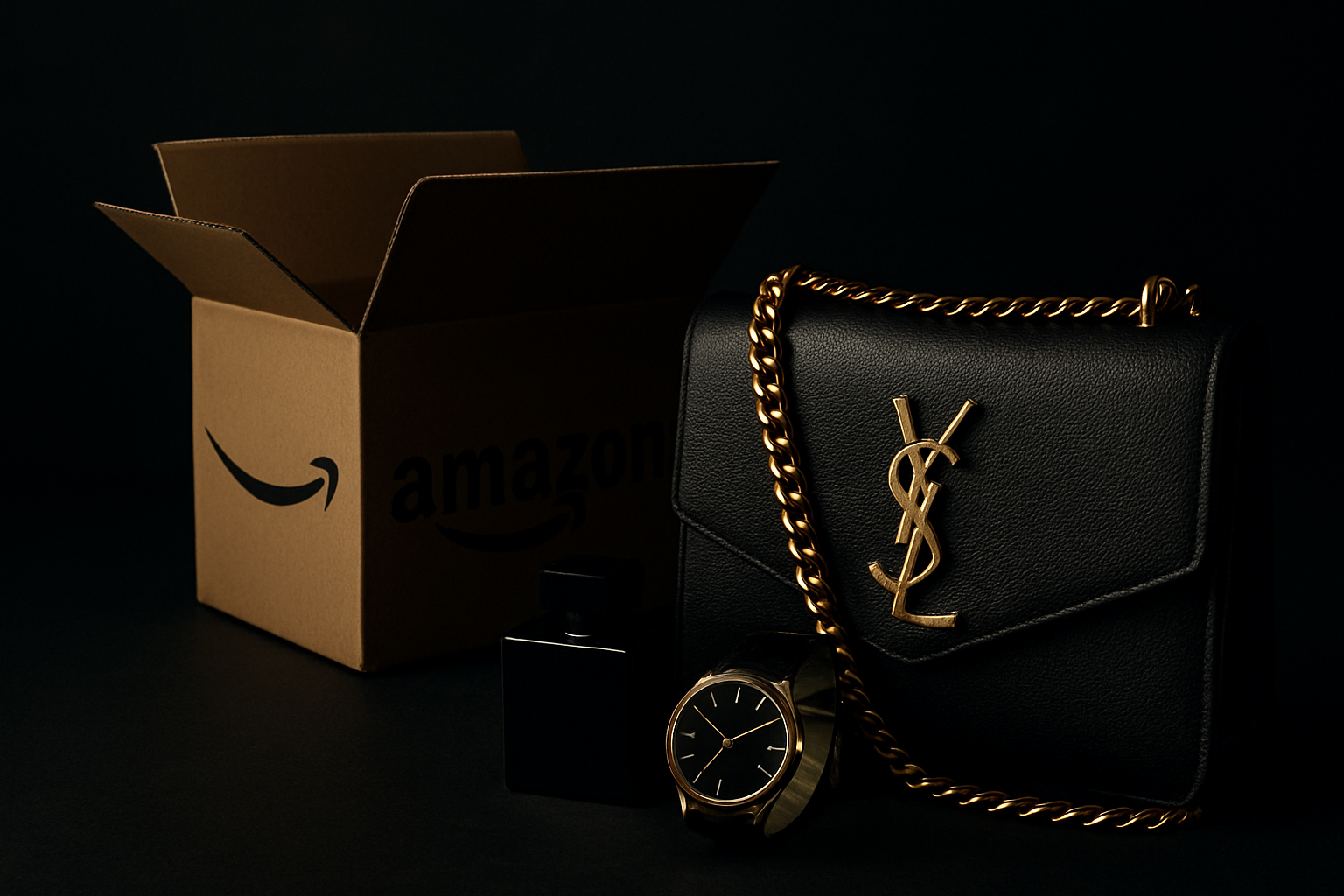
Most people assume luxury is invented from scratch. In reality, many high-margin brands start with something far less glamorous: an ordinary product that already sells. The real magic is not always in creating a new item. It is in reframing a proven product as a desirable brand people happily pay more for.
That is the playbook behind many successful Amazon entrepreneurs, and it mirrors the logic used by exotic and luxury brands for decades. They do not just sell utility. They sell perception, identity, exclusivity, and status. When done well, the same everyday product that competes on price in one listing can command premium margins in another.
The opportunity is simple to understand but powerful in practice: find a product with existing demand, improve its presentation, customize it with a distinctive identity, and position it like something special. That is how entrepreneurs turn ordinary Amazon products into luxury-like brands with huge margins.
The Luxury Principle: Why Perception Drives Profit
Luxury brands are masters of making customers feel like they are buying more than a product. They are buying into a story. Into a club. Into a version of themselves.
That same principle can apply to Amazon products. A seller may start with a functional item that already performs well in the market, but instead of joining the race to the bottom on price, they build a brand around it. They create a feeling of rarity, quality, polish, and prestige. Suddenly, the purchase is no longer just practical. It becomes emotional.
This is why some brands can price their products far above similar alternatives and still maintain strong sales. Customers are not only comparing specifications. They are responding to:
- Exclusivity — the sense that this product is not for everyone
- Prestige — the feeling that owning it says something positive about them
- Trust — the confidence that a branded product feels safer and more refined
- Identity — the belief that this product fits their lifestyle, taste, or ambition
That is where margins are born. Not simply in the product itself, but in the value customers believe surrounds it.
Start With What Already Sells
The smartest entrepreneurs do not begin by guessing what people might want. They begin by studying what people are already buying.
The source material points to a key first step: identify an independent product on Amazon that consistently sells well regardless of season or timing. This matters because a product with stable demand gives you a stronger foundation to build on. You are not trying to force a market into existence. You are tapping into one that already exists.
When researching products, the goal is not just to find something popular. It is to find something with proven demand that can be elevated through branding. The best candidates tend to be products that:
- Sell consistently year-round
- Have clear customer demand
- Can be customized or improved
- Do not rely purely on trend cycles
- Have room for better presentation and positioning
This is the big shift in mindset. You are not looking at a product as just an item. You are looking at it as raw material for a future brand.
From Product to “Product Brand”
The biggest leap happens when an entrepreneur stops thinking like a reseller and starts thinking like a brand builder.
A reseller sees a successful product and asks, “How can I sell this too?”
A brand builder sees the same product and asks, “How can I make this mine?”
That is the difference between listing a commodity and building a “Product Brand.” Instead of simply offering what everyone else offers, the entrepreneur transforms the product into something more distinctive, more polished, and more memorable.
This transformation can include:
- Creating a unique brand name
- Adding a logo and custom packaging
- Changing colors, materials, or finishing details
- Improving the product based on customer complaints in competing listings
- Writing better copy that positions the product as premium
- Building a visual identity that suggests elegance, confidence, or exclusivity
The product may be familiar, but the experience of buying it becomes different. That is what separates ordinary listings from premium brands.
How Manufacturers Help Create Brand Value
Once the right product is chosen, the next step is working with manufacturers to customize it. According to the source material, many entrepreneurs source from manufacturers in countries like China or India. This is where branding stops being an idea and becomes tangible.
Entrepreneurs communicate directly with manufacturers to:
- Add private labels with their own logos and text
- Adjust design details
- Improve quality or presentation
- Create packaging that looks more premium
- Produce a version that feels specific to their brand rather than generic
This process matters because the physical product has to support the story you are telling. If you want to charge premium prices, the customer must feel the difference when they see the packaging, read the insert, or use the product for the first time.
Luxury-like branding is not just about saying something is premium. It is about creating small signals that make the customer believe it.
The Real Profit Engine: Differentiation
On Amazon, countless sellers often compete with nearly identical products. The ones with weak branding end up trapped in price wars. The ones with strong branding escape them.
That is why differentiation is so important. When your product looks interchangeable, buyers compare price. When your product looks branded, buyers compare value.
A well-positioned brand can justify a higher price because customers perceive it as different in ways that matter. Maybe the product feels more stylish. Maybe the packaging looks gift-worthy. Maybe the listing communicates confidence and quality better than anyone else. These details create distance between your product and the sea of low-cost alternatives.
And that distance is where higher margins live.
Practical Example: The Same Product, Two Very Different Businesses
Imagine a simple everyday product sold on Amazon, such as a water bottle, storage organizer, or grooming accessory. In its generic form, it is one of dozens of listings, all using similar images, basic packaging, and forgettable descriptions. Sellers compete aggressively on price because the product feels like a commodity.
Now imagine an entrepreneur takes that same product and builds a brand around it. They:
- Choose a refined brand name
- Work with the manufacturer to improve the finish and packaging
- Add private labelling and a polished insert card
- Use premium product photography
- Position the item around lifestyle, confidence, and taste
- Frame it as a product for a specific type of customer
Functionally, the core item may still serve the same purpose. But commercially, it is now playing a completely different game. It is not just a bottle, organizer, or accessory. It is a branded object with a story, a look, and a market position.
That shift can turn an average-margin product into one with significantly stronger profitability.
Why Customers Pay More for Ordinary Things
People rarely buy based on logic alone. They buy based on what a product helps them feel. Exotic and luxury brands understand this deeply, and Amazon entrepreneurs can apply the same lesson.
Customers pay more when a product helps them feel:
- More successful
- More stylish
- More organized
- More sophisticated
- Part of a certain class or lifestyle
The source material highlights this clearly: prestige and exclusivity make consumers feel special. That emotional response is powerful. It elevates the purchase from a simple transaction to a form of self-expression.
This is why branding matters so much. You are not merely selling an object. You are selling a perception of what that object says about the buyer.
The Entrepreneurial Mindset Behind Premium Positioning
Not everyone sees this opportunity. Many sellers focus only on cost, shipping, and short-term competition. But entrepreneurs with a stronger branding mindset see a bigger picture. They understand that a successful product is just the starting point.
They know how to take something that already works and turn it into something more valuable. They manipulate positioning, presentation, and identity until the product no longer feels ordinary. It becomes a brand asset.
That mindset is what separates the average Amazon seller from the entrepreneur building a real business. One sells inventory. The other builds perceived value.
How to Think About Building Your Own Luxury-Like Amazon Brand
If you want to apply this model, the path is straightforward in concept:
- Research thoroughly and find a product with consistent demand
- Choose wisely by focusing on items that can be branded and improved
- Work with manufacturers to customize and private label the product
- Create a premium identity through naming, packaging, imagery, and messaging
- Position for prestige so the customer sees more than mere function
- Differentiate clearly so you do not get dragged into price-only