
The Elite Crisis-Proof Wealth Blueprint: Second Passports, Offshore Structures, and Crypto Escape Routes | The Lockdown Millionaire
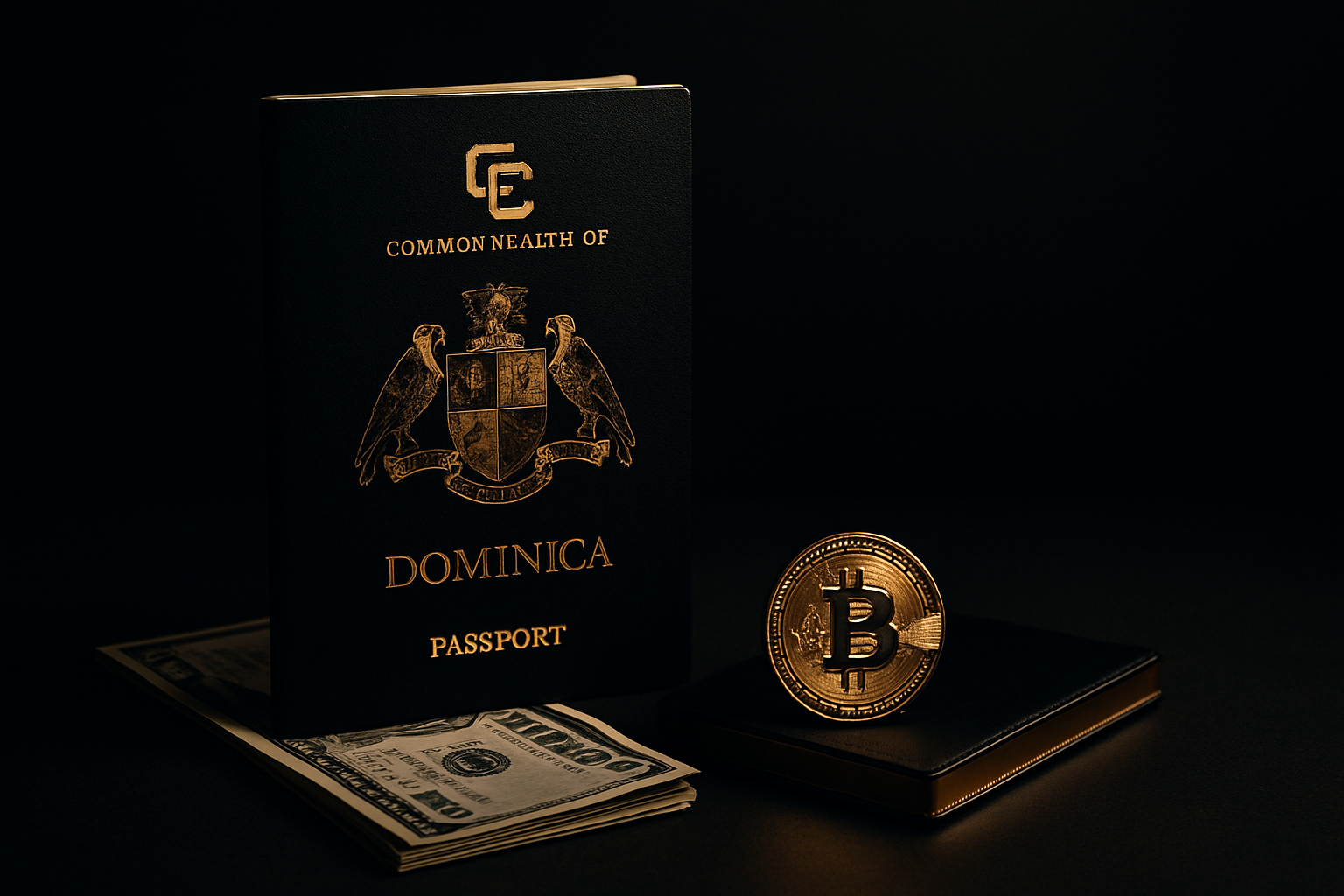
If you’re operating at an elite level, wealth preservation is no longer just about returns. It’s about resilience, optionality, and the ability to act when everyone else is trapped. In a real crisis, bank limits, political instability, capital controls, frozen accounts, travel restrictions, and failing institutions can turn paper wealth into inaccessible wealth overnight. That is why serious players build escape options before they need them.
A true crisis-proof wealth blueprint is not built on one asset, one country, or one legal structure. It is built on layers. A second passport expands mobility. Offshore entities create flexibility. Foundations improve privacy and control. Crypto adds a portable escape route. Combined properly, these tools can help protect capital, preserve freedom of movement, and reduce dependence on any single system.
This is not about paranoia or gimmicks. It is about prudent preparation. The goal is simple: build your wealth like a fortress.
Why Elite Wealth Needs Escape Options
Most people think wealth means having more money. At the highest level, wealth means having more choices. If your assets are concentrated in one jurisdiction, one currency, or one banking system, you are exposed to a single point of failure. In calm times, that may seem manageable. In a downturn or systemic shock, it can become dangerous.
Escape options matter because crises rarely announce themselves politely. They arrive through sudden policy changes, market freezes, legal uncertainty, or social unrest. The investor who prepared in advance can move, restructure, and deploy capital. The one who did not is left reacting under pressure.
An elite framework focuses on three forms of protection:
- Mobility protection through lawful second citizenship
- Structural protection through offshore companies and foundations
- Capital mobility through diversified assets, including crypto
Second Passport Programs: Mobility Is a Financial Asset
A second passport is often misunderstood as a luxury status symbol. In reality, it is a strategic asset. It can provide broader visa-free travel, more relocation options, access to alternative banking relationships, and a legal backup plan if your primary jurisdiction becomes restrictive.
Among the more established and respected options mentioned in this blueprint are Dominica and St. Kitts & Nevis. These programs have long been known for offering relatively fast, legal pathways to citizenship for qualified applicants.
Why Dominica and St. Kitts & Nevis Stand Out
- Speed: These programs are known for efficient processing compared with many traditional immigration routes.
- Legality: These are recognized citizenship-by-investment frameworks, not gray-market shortcuts.
- Reputation: Both jurisdictions are established names in the second passport world.
For a high-level investor, the value is not just travel convenience. It is strategic redundancy. If regulations tighten, borders become difficult, or your home country imposes restrictive financial controls, an alternative citizenship can create options that simply do not exist for those with only one passport.
The key idea is simple: mobility is part of wealth defense.
Offshore Company Structures: Flexible Control Over Capital
Once personal mobility is addressed, the next layer is structural. A well-formed offshore entity can improve how you hold, move, and manage capital internationally. In this blueprint, the focus is on a Singapore offshore company with a multi-currency account.
Singapore remains highly regarded in global finance because of its business-friendly environment, strong legal framework, and international banking credibility. For many investors, using a Singapore structure is less about secrecy and more about stability, professionalism, and efficient global operations.
Why a Singapore Offshore Company Can Be Powerful
- Multi-currency flexibility: Holding and transacting in multiple currencies can reduce dependence on one national currency.
- International credibility: Singapore’s financial reputation can improve ease of doing business globally.
- Operational efficiency: A properly structured company can simplify cross-border transactions and asset management.
In a failing or unstable system, access matters. If your wealth is trapped in domestic accounts and tied to one currency, your options shrink quickly. A multi-currency corporate banking setup can create room to maneuver when exchange controls, inflation, or banking stress begin to spread.
That does not mean offshore equals effortless. Proper compliance, reporting, and legal structuring are essential. But when built correctly, this layer gives you lawful flexibility at the exact moment flexibility becomes most valuable.
Panama Foundations: Confidential Ownership and Asset Separation
The next layer in the blueprint is a Panama Foundation used to hold property and assets confidentially. For elite wealth planning, this can be an important distinction: ownership and control do not always need to sit in your personal name.
A foundation can serve as a protective wrapper around selected assets, helping create separation between you and direct title. This can improve privacy, support estate planning, and offer an added layer of asset organization across jurisdictions.
Why a Panama Foundation Fits This Blueprint
- Confidentiality: It can help hold certain assets more discreetly than direct personal ownership.
- Asset organization: It creates a structured vehicle for property and long-term holdings.
- Protective layering: It adds legal distance between the individual and the asset base.
For example, a high-net-worth investor may own international property or strategic assets through a foundation rather than personally. That can make the overall wealth architecture cleaner, more private, and potentially more durable in a contentious environment.
Again, the goal is not concealment for improper purposes. The goal is lawful, intelligent structuring that protects what you have built.
Crypto as an Escape Route During Recession and System Stress
No modern crisis-proof blueprint is complete without addressing crypto. In a recession or post-lockdown economy, cryptocurrencies can provide both opportunity and mobility. They are volatile, yes, but they also represent a form of capital that can move outside many of the bottlenecks that affect traditional financial systems.
When markets contract, fear rises, and central authorities become more interventionist, crypto becomes especially interesting for two reasons:
- Portfolio diversification: It adds exposure to an alternative asset class outside conventional banking and stock market structures.
- Portable wealth: It can serve as an emergency bridge if traditional transfer channels become constrained.
Bitcoin, in particular, is often viewed in this kind of blueprint as an escape asset. Not because it is risk-free, but because it offers a form of financial portability that legacy systems often cannot match. If banking rails seize up, if capital controls tighten, or if domestic currencies weaken sharply, portable digital value becomes far more than a speculative position.
The Opportunity and the Risk
Investing in crypto during an upcoming recession can be compelling, especially for investors willing to tolerate volatility and think strategically. Bearish conditions often create asymmetric opportunities. Strong projects can become deeply discounted. Market fear can open windows for long-term accumulation.
But crypto is not a magic solution. It remains a relatively new asset class with substantial risks, including:
- Sharp price volatility
- Regulatory uncertainty
- Counterparty risk on exchanges
- Security risks if custody is handled poorly
The right mindset is disciplined, not emotional. Crypto belongs in the fortress as one layer of defense, not as the entire fortress itself.
How the Fortress Model Works Together
What makes this blueprint effective is not any single component. It is the way the pieces complement each other.
- Second passport gives you the ability to move personally
- Singapore offshore company gives you a vehicle to move and manage capital
- Panama Foundation helps hold assets with greater privacy and structure
- Crypto gives you a fast, border-light capital mobility option
Each layer solves a different problem. Together, they create resilience.
Imagine a scenario where a future crisis leads to tighter banking restrictions, political uncertainty, and sudden currency weakness. The average investor may be stuck waiting, hoping institutions behave predictably. The fortified investor has alternatives: another passport for mobility, offshore structures for capital control, foundation-based ownership for key assets, and crypto as a liquid escape route.
That is the difference between being wealthy on paper and being prepared in reality.
Practical Example: Building a Crisis-Ready Position
Consider a globally minded investor preparing for the next major downturn. Instead of relying solely on domestic stocks, cash, and local property, they build a layered setup:
- They secure a lawful second passport through Dominica or St. Kitts & Nevis
- They establish a Singapore offshore company with a multi-currency account for international holdings and transactions
- They place selected real assets under a Panama Foundation for cleaner ownership and confidentiality
- They allocate a measured portion of capital to Bitcoin and select cryptocurrencies as a portable hedge and recession opportunity
Now compare that with an investor who has everything in one country, one legal identity, one banking system, and one currency. The second investor may still be rich in nominal terms